
If you are looking to address chipped, stained, gapped, or slightly misaligned teeth, our custom veneers offer a reliable cosmetic solution.
Dr. Bassam Abazid provides personalized cosmetic treatments at our San Antonio office. Located on Babcock Rd (Suite 205), we serve patients throughout Northwest San Antonio, the Medical Center, Alamo Farmsteads, Shavano Park, and Dreamhill Estates.
Schedule a Dental Consultation
To find out if veneers can address your cosmetic goals, schedule an evaluation with Dr. Abazid today.
📞 Call 726-222-3286 or Click Here to Book Your Consultation Online
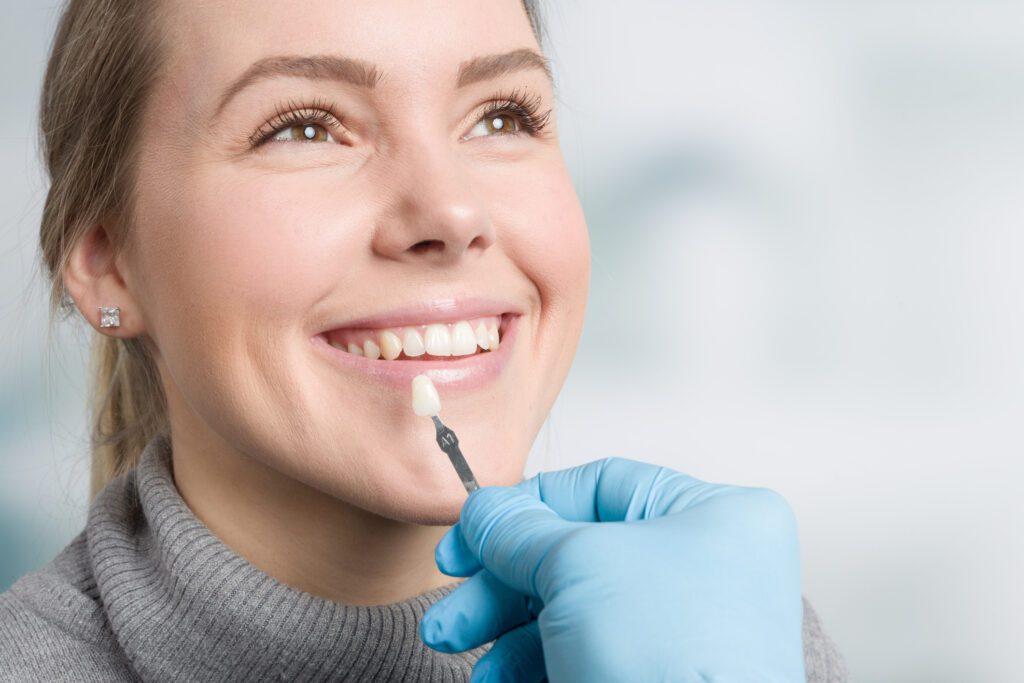
What are Veneers?
Dental veneers are thin, custom-made shells crafted from durable dental porcelain or composite materials. They are bonded permanently to the front surface of your teeth to alter their visible color, shape, size, or length.
Veneers function as a durable layer that covers imperfections underneath while preserving the majority of your natural tooth structure. Dr. Abazid designs each veneer to blend seamlessly with your facial features, skin tone, and natural tooth alignment.
What Are the Veneers Benefits?
Porcelain veneers are a versatile cosmetic treatment because they correct multiple structural and aesthetic issues simultaneously. Primary benefits include:
- Natural Appearance: Dental porcelain replicates the translucent, light-reflecting properties of your natural tooth enamel.
- Stain Resistance: High-grade porcelain resists discoloration from dark foods and beverages like coffee, tea, red wine, and berries much better than natural enamel.
- Conservative Realignment: Veneers can close visible gaps and camouflage minor alignment issues without the need for braces or clear aligners.
- Structural Reinforcement: Once bonded, veneers help protect and support chipped or worn teeth.
- Minimal Preparation: We focus on removing only a very thin layer of enamel, keeping the core structure of your natural tooth healthy.
What Are the Types of Veneers?
Depending on your dental health, lifestyle, and aesthetic goals, Dr. Abazid will help you choose between two primary treatment options:
1. Traditional Porcelain Veneers
Traditional veneers are roughly 0.5mm thick. To ensure they sit flush with your gumline and look natural, a small layer of enamel must be gently removed from the front of the tooth. These are highly durable and are well-suited for masking severe discoloration, deep cracks, or larger gaps.
2. Lumineers® (No-Prep Veneers)
Lumineers® are an ultra-thin alternative, measuring approximately 0.3mm (about the thickness of a contact lens). Because they are exceptionally thin, enamel removal, drilling, and local anesthetic shots are generally not required before placement. Dr. Abazid can place Lumineers directly over your natural teeth, or even over existing dental crowns and bridgework.
How Long Do Veneers Last?
With proper home care and regular dental visits, traditional porcelain veneers typically last between 10 to 15 years, while Lumineers routinely last over a decade before needing replacement.
Because traditional veneers require minor enamel alteration, the procedure is irreversible and represents a permanent commitment. To maximize the lifespan of your treatment, follow these standard maintenance guidelines:
- Maintain Oral Hygiene: Brush twice a day with a non-abrasive fluoride toothpaste, use a soft-bristled toothbrush, and floss daily to protect the underlying tooth from decay.
- Wear a Guard for Bruxism: If you grind or clench your teeth at night, we will provide a custom night guard to protect the porcelain from chipping or cracking.
- Avoid Excessive Force: Do not use your front teeth to bite into exceptionally hard objects or foods, such as ice, hard candies, or bones.
- Keep Regular Appointments: Regular checkups and cleanings allow Dr. Abazid to monitor the condition of the bonding material and your overall oral health.
What Are the Porcelain Veneers Cost?
The total cost of a veneer treatment varies based on several specific factors:
- The type of veneer used (Traditional Porcelain vs. Lumineers).
- The number of teeth being treated (you can choose a single veneer for an isolated damaged tooth, or a set of 6 to 8 to cover the most visible teeth).
- Any preliminary treatments required beforehand, such as treating active cavities or gum disease.
Because cosmetic dental procedures are generally elective, dental insurance plans rarely cover the cost. To help manage your treatment expenses, we offer flexible financing options and transparent payment arrangements. We will provide an accurate, itemized cost estimate during your diagnostic consultation.
Do Veneers Hurt?
The veneer process is designed to be comfortable and pain-free. For traditional veneers, Dr. Abazid applies a local anesthetic before preparing the teeth, meaning you will feel only minor pressure during the appointment. For ultra-thin Lumineers, the non-invasive process requires no enamel removal, which means no shots and no dental drilling are required.
Dental Veneer FAQs
Can I Get Veneers if I Grind My Teeth?
Veneers can cover damage caused by teeth grinding. However, if you grind or clench your teeth (a condition called bruxism), we recommend addressing it first. Wearing a custom night guard can protect your veneers and natural teeth from further damage after treatment. Ignoring bruxism could lead to chipping or cracking, and repair or replacement in the future.
Can I Get Cavities Under my Veneers?
Yes, your natural teeth under the veneers are still at risk for cavities. Veneers only cover the front surface of the tooth, so brush and floss regularly to keep the areas around them clean. Regular dental checkups are also important to monitor your oral health and catch any issues early. Using fluoride toothpaste can help strengthen your enamel and reduce the risk of decay.
Are Veneers Permanent?
Yes, veneers are a permanent solution. To place them, we remove a small amount of enamel, which is irreversible. That’s why it’s important to carefully consider your decision and discuss your goals with your dentist. Veneers can last for many years, but you’ll need to maintain good oral hygiene and avoid bad habits to protect them.
Do I Need Porcelain Veneers or Lumineers?
Choosing between porcelain veneers and Lumineers depends on your dental needs. Porcelain veneers are thicker and better suited for covering more significant issues like deep stains, large chips, or gaps. Lumineers are a less invasive option for minor corrections. Discuss your desired look, lifestyle, and budget with your dentist to find the option that works best for you.
How Often Do You Replace Lumineers?
With the right care, Lumineers can last over a decade. If they begin to show wear or you want to update them, a dentist can easily remove and replace them. Proper oral hygiene, avoiding hard foods, and regular dental checkups can extend their lifespan.
How Many Dental Veneers Do I Need?
The number of veneers you need depends on your smile goals. If you have one damaged or discolored tooth, a single veneer is enough. For a more uniform and balanced smile, we usually recommend a few for the front six to eight teeth. These are the most visible when you speak or smile. Your dentist will evaluate your needs and help you decide on the best plan.